

Mapping the New Q3 · Week 11 · Sunday Elderberries
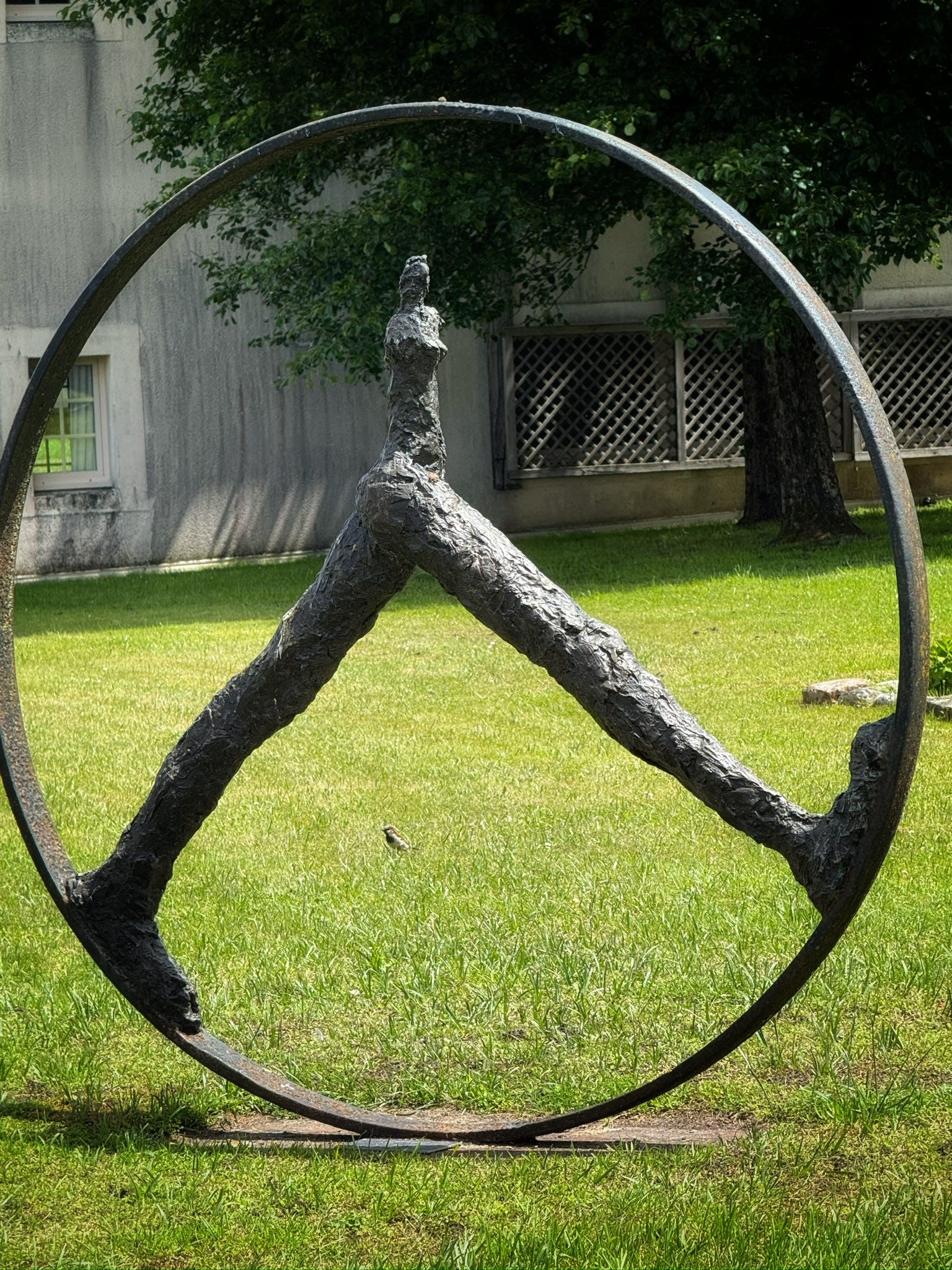
My daughter turned 30 this month. At some point during our Bordeaux-based spa celebrations last week she looked at a new spot on my forearm, frowned, and said: you need to get that checked. I had noticed it too, vaguely, the way you notice things you’d rather not act on. She was not vague about it.
There is something quietly significant about the moment your children start watching over you the way you once watched over them. Health vigilance — the noticing, the insisting, the following up — passes between generations without announcement. Suddenly they are the ones paying attention.
I listened. I photographed it on my NHS app and sent it in from France on a Tuesday morning. They called back the same day. Wanted me to come in that day at 5pm! I called back early this morning on returning to London. Saw them at 11am, by 12h30 I had a specialist appointment booked at Guy’s Hospital Friday in my emails. Deeply impressed.
The word the doctor used was prevention. That’s the word I’ve been organising my Q3 body around for three years — and apparently, so has my daughter.

The graph I’ve never forgotten
In 2016 I sat in an auditorium in Chautauqua (a summer camp for intellectuals in NY state) and watched Arthur Brooks — years before he wrote Strength to Strength — put up a graph of life satisfaction across the lifespan. It bottoms out around 53. Then goes up until 65 when the line splits in two.
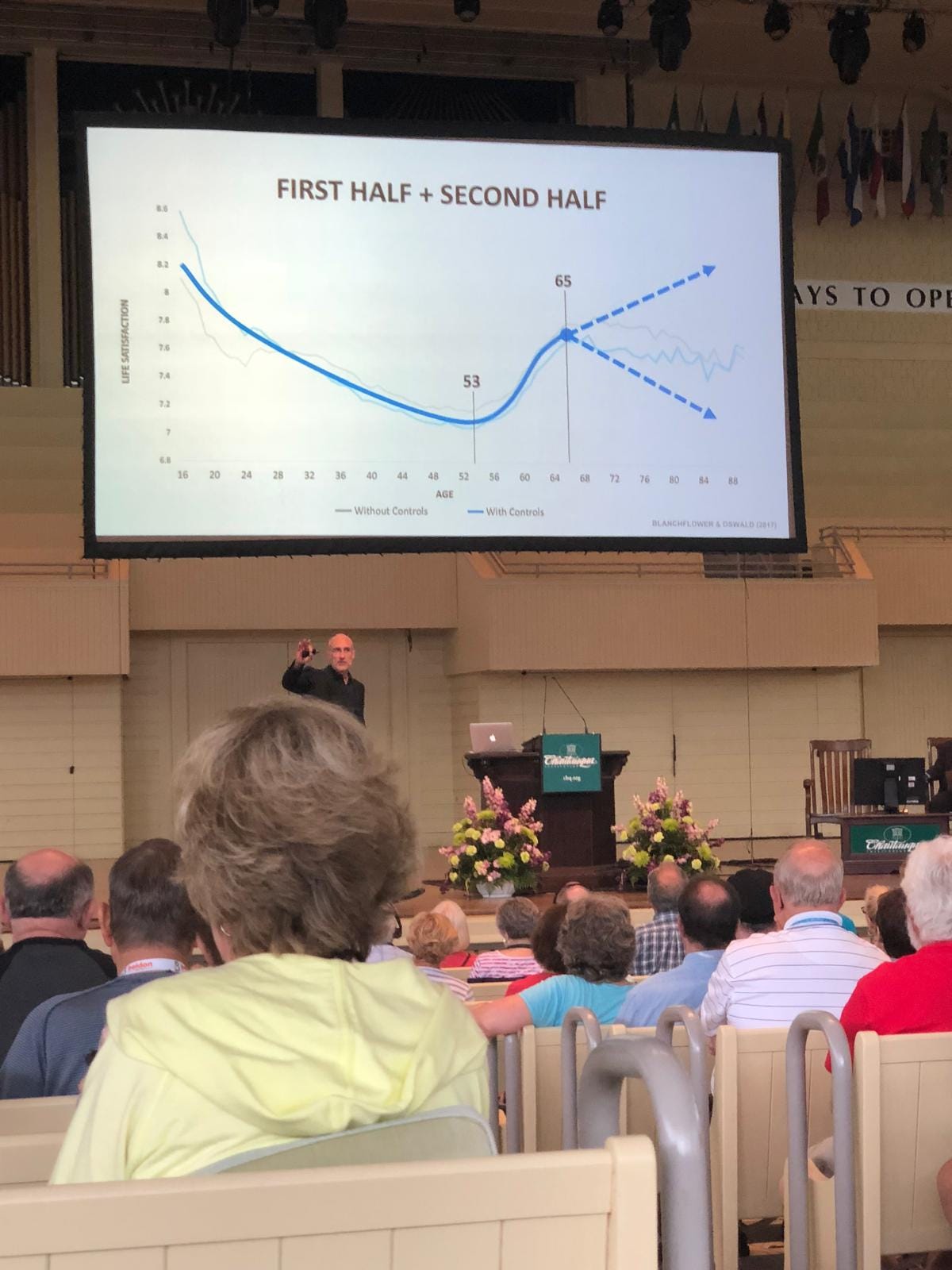
One trajectory rises. One falls. The difference isn’t luck, or genes, or money, although all those play into it. It’s what people chose to do with the years they had.
I turn 65 in August. I’ve been looking at that fork in the road for nine years.
What Brooks was already arguing then — and what Yale’s Becca Levy just confirmed a decade later with longitudinal data on 11,000 older adults — is the same essential point: the average hides the story. If you look at the population mean, you see decline. If you disaggregate, you find that nearly half of people over 65 improved, cognitively, physically - or both.
I wrote about Levy’s research in detail earlier this year — worth reading if you missed it. The study is remarkable. Brooks and Levy, ten years apart, making the same case: disaggregate the data and a very different story emerges.
The point I want to make here is simpler. The science says improvement is possible. But it doesn’t happen on its own. You have to choose it. And then you have to do it. Implementation is all. And it takes one hell of a lot of time. Those who start in Q1 or Q2 will be better prepared.
So…What I’ve been doing
I was 61 when I came back from Harvard and discovered I had osteopenia. Bone density lower than it should be, quietly, without drama. The kind of thing you find when you start asking the right questions. Half of women 50+ in the UK suffer from osteoporosis, its next stage (please ask for a DEXA scan, ladies). I decided that was the start of a project, not a diagnosis.
Three years on, here’s what the project looks like. Not aspirational. Actual. Strength training. Yoga. Pilates. Walking. Lifting. Several times a week, most days, but moderately. I am not a fanatic and never will be. I won’t run marathons or ingest weird and expensive potions. I’m not looking to extend lifespan, but nor am I ignoring that graph. I’ve accepted that daily movement is an investment with a long horizon. I’m measurably stronger than I’ve ever been. I even got the man to start coming to the gym - which is a feat of a different kind of lifting.
I did the Zoe nutrition programme. My gut microbiome is healthier than it was. That’s not a wellness claim — it’s data. Mostly by adding nuts, seeds and fibres (beans anyone?). And it’s a big part of boosting your immune system. I get colds and flu less often than I used to.
I got more educated about health tests, helped considerably by AI tools. Now I actually know what all those measures mean (and my kids’ measures too). And I found Dr. Lauria Marbas on Substack — her post on the eight tests everyone should have but almost no one gets prescribed is worth bookmarking. I did my ApoB. And based on the results, decided to start both statins and HRT at 64 after seeing a women’s health longevity specialist to review a year’s worth of blood tests, DEXA scans and research. One medicine for my heart. One for my bones.
I went to NEKO for a full health scan — and glimpsed the astonishing future of healthcare - something I wrote about in an earlier Elderberries. Find it here. And this week on the 4-Quarter Lives podcast, I republish a conversation with 82-year-old longevity specialist Dr. Mileham Hayes — whose work on redesigning health and capability across the full lifespan is exactly the kind of thinking Q3 needs more of. He’d been the first to tell me about the importance of ApoB tests. Listen to that conversation Thursday.
Prevention is a hell of a lot easier (and cheaper) than cure. And it changes the shape of your personal graph.
The body as your most important long-term investment
None of this is dramatic. That’s the point. The Q3 body doesn’t need transformation. It needs attention. Consistency. The same quality of thinking you’d apply to anything with a long time horizon that matters to you. Especially if you didn’t make time for it earlier, in Q2.
The decline narrative is seductive because it lets you off the hook. If deterioration is inevitable, you can just wait for it. But Levy’s research, and Brooks’ bifurcating graph, say you’re not awaiting a prescribed fate. You’re choosing a path. Some people are choosing more consciously than others. I’m trying to be one of them. The earlier you start, the easier it is.
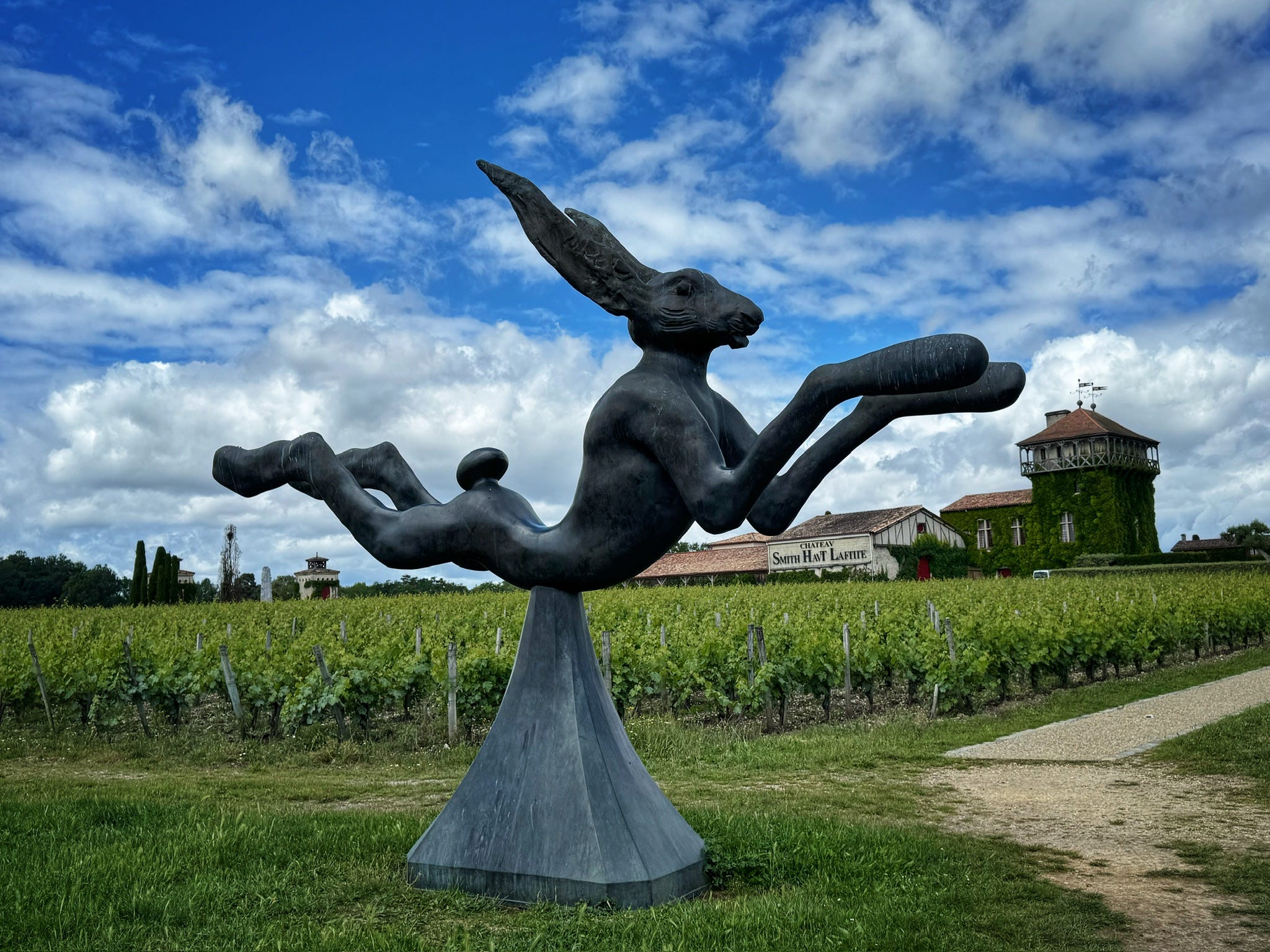
Friday, I went to Guy’s Hospital for my skin follow-up. It’s nothing. So I’m off to the country for the week. That’s the whole thing, really. Paying attention. And then moving with the music, the messages and the reality that arrives, whether you like what you hear - but especially if you don’t.
What’s one thing you’ve started doing differently for your body since turning 50? What made you begin?
Next week: Designing Your Q3. Nobody hands you the map. The whole point is that you draw it yourself — but you don’t have to start from scratch.
The Sculptures in the photos: are from last week’s spa, the wonderful Sources de Caudalie (no commission, just admiration). They are dotted throughout the vineyards and the hotel.
Avivah - Í love this so much; such an important message, shared so clearly!
I started exercising - doing the elliptical and lifting weights - and let go of about 30 pounds (a stone and a half, in British 😊) at 52. Right as I started Q3.
Now, 22 years later, I’m so incredibly grateful to have made those habits.
And I find having those habits makes it easier to keep recommitting: to regular yoga classes when we moved to Spain 2+ years ago, as well as to not having a car so I walk to all my daily errands and appointments (3-8 km a day); to letting go of a stone that had crept back on over the years; to exploring new ways to support my health (lymphatic drainage exercise, deep tissue massage, taking Cordyceps).
I feel like I’m moving into Q4 in a very good state…AND I’m inspired to investigate the testing you reference. Thanks!
Well said. People see me (I think) as that strong woman of 84 who still stands on her head (and my hands recently, with a little help getting up there). But in fact I didn't start yoga until I was 50. And being a persistent sort of person, I persisted. I asked a younger friend (also a yoga teacher) years ago what yoga was doing for me. She said it is supposed to help your strength and flexibility, yet it seemed somehow vague. But NOW, I know why I was doing yoga all those years ago - because I can squat down or reach up and generally do most of what I could do at 44. I am now a bit of a proselytiser for early exercise.