
Why Organisations Need 'Undefinable' Talent
Because That's Where The Future of Work Lies

LONGEVITY LEADERSHIP BRIEFING · FULLSPAN · Week 1
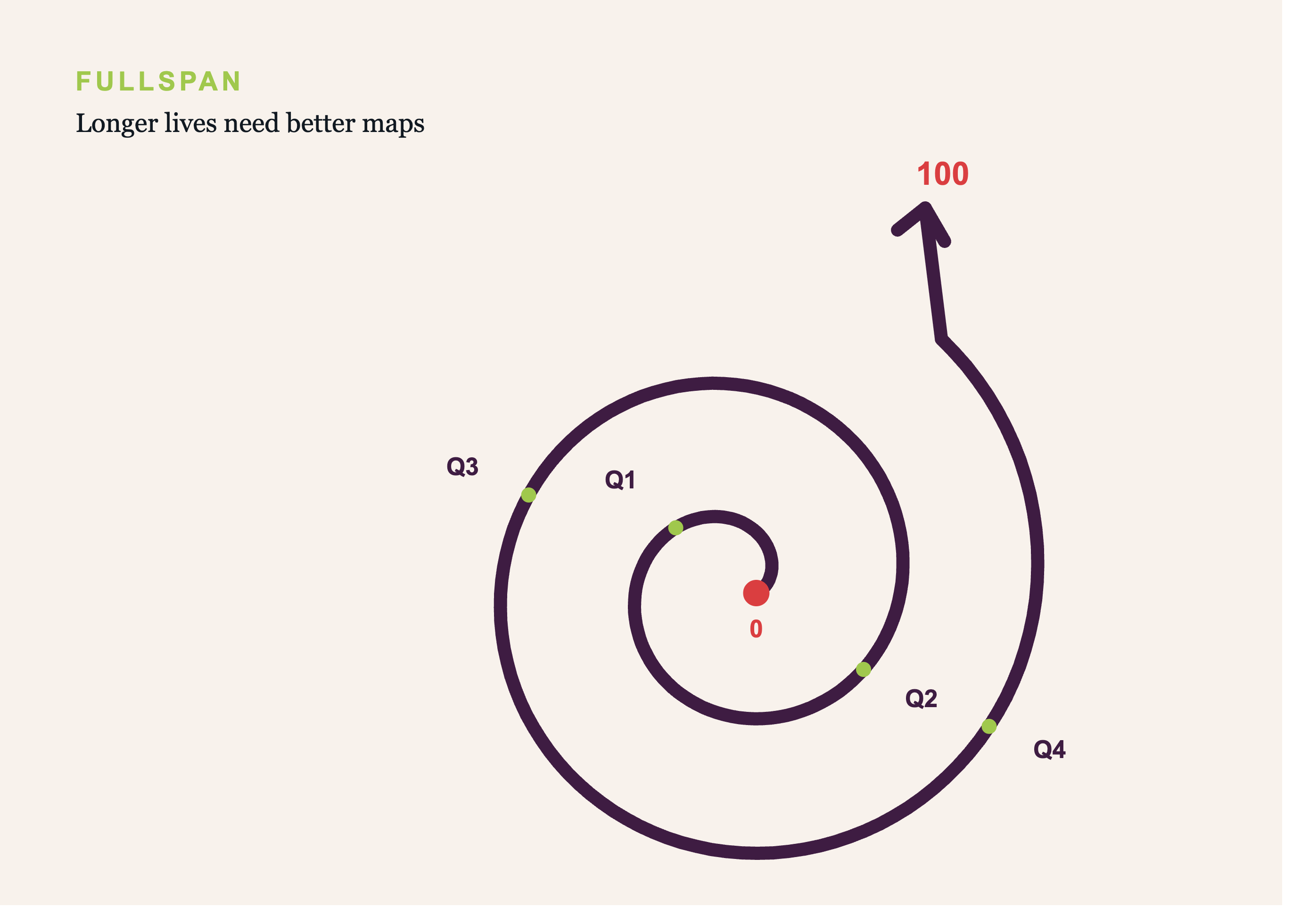
Last week, in a room in Lisbon, I asked a group of forty and fifty-somethings a simple question: how many careers have you had?
Most had already had three.
These weren’t job-hoppers or outliers. They were the Longevity Leadership Programme’s latest cohort — senior, credentialed, mid-career by any conventional measure. And their answer should worry every talent function reading this.

The org chart wasn’t built for them
Most talent systems answer one question: what is this person, so we know where to put them. Engineer. Marketer. Individual contributor. People manager. The box tells HR what to pay them, who they report to, what “success” looks like on a review form.
That worked when careers were roughly forty years long and mostly linear. It stops working the moment someone has already been three different professionals inside one working life — which, per that room in Lisbon, is now the norm rather than the exception among your most experienced people.
There’s a word for this person, and I’ve borrowed it from Charlie Rogers, who joins this week’s 4-Quarter Lives podcast: undefinable. Not because they lack skill, but because they’ve outgrown the category you filed them under.
It’s worth being precise about what “undefinable” actually means, because it’s easy to mistake it for indecision. It isn’t.
